
The Europeans who arrived in the Americas as part of Spain’s colonial project imposed their own preferred styles and media—easel painting and polychrome sculpture in particular—on societies whose artistic traditions had long privileged textiles, ceramics, and metallurgy. The Indigenous artists they trained were expected to adopt these media and to master European-style naturalism and Catholic […]
Author Archives: Veronica Muñoz-Najar
EXHIBITIONS
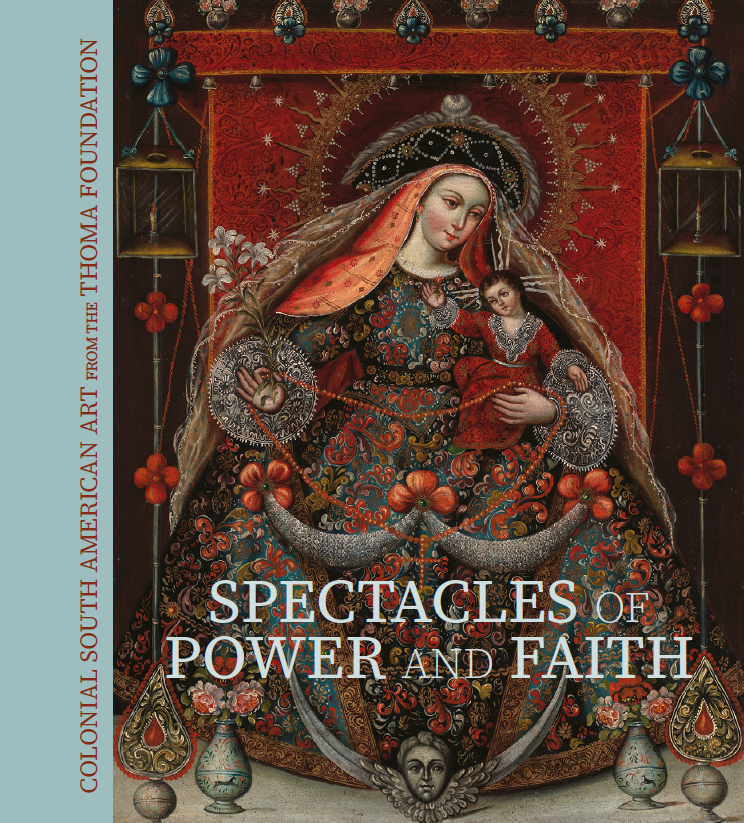
Spectacles of Power and Faith: South American Colonial Painting from the Thoma Collection
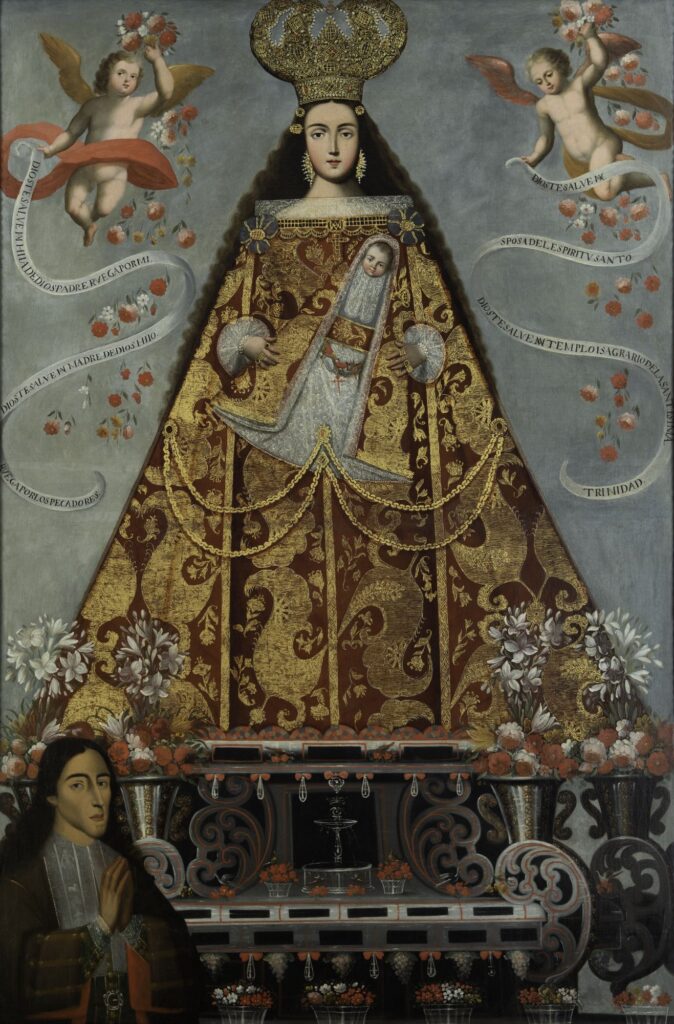
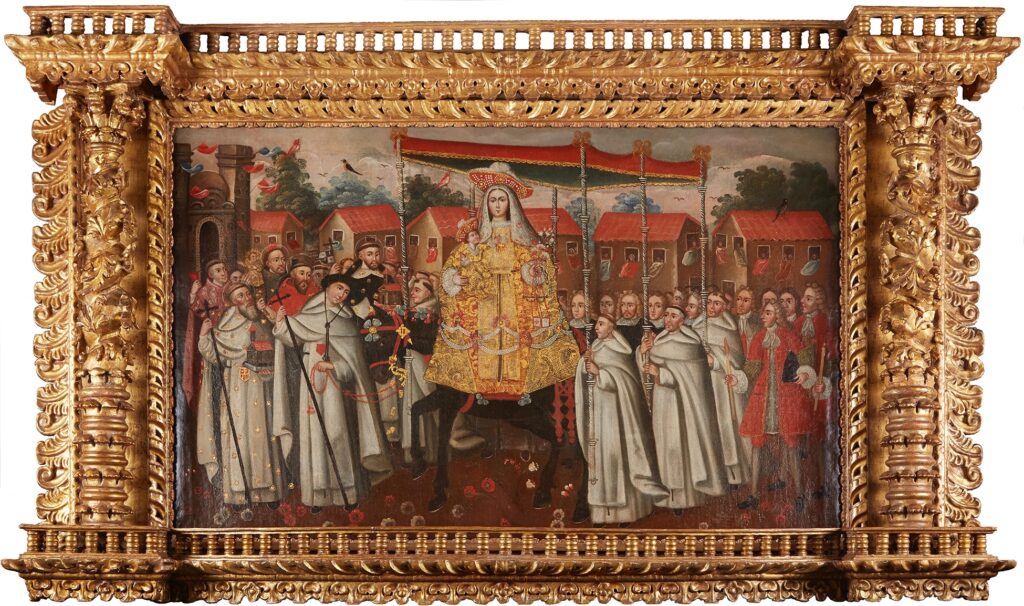
Spectacles of Power and Faith celebrates the expressive power of colonial South American painting and the centuries-old stories these remarkable works tell about faith, family, creativity, and community. Drawn from the Carl & Marilynn Thoma Foundation’s renowned Art of the Spanish Americas collection, the exhibition brings together sixty-three paintings created between 1600 and 1850 in present-day Peru, Bolivia, Colombia, Venezuela, and Ecuador. Many of the works are recent acquisitions that will be exhibited and published for the first time.
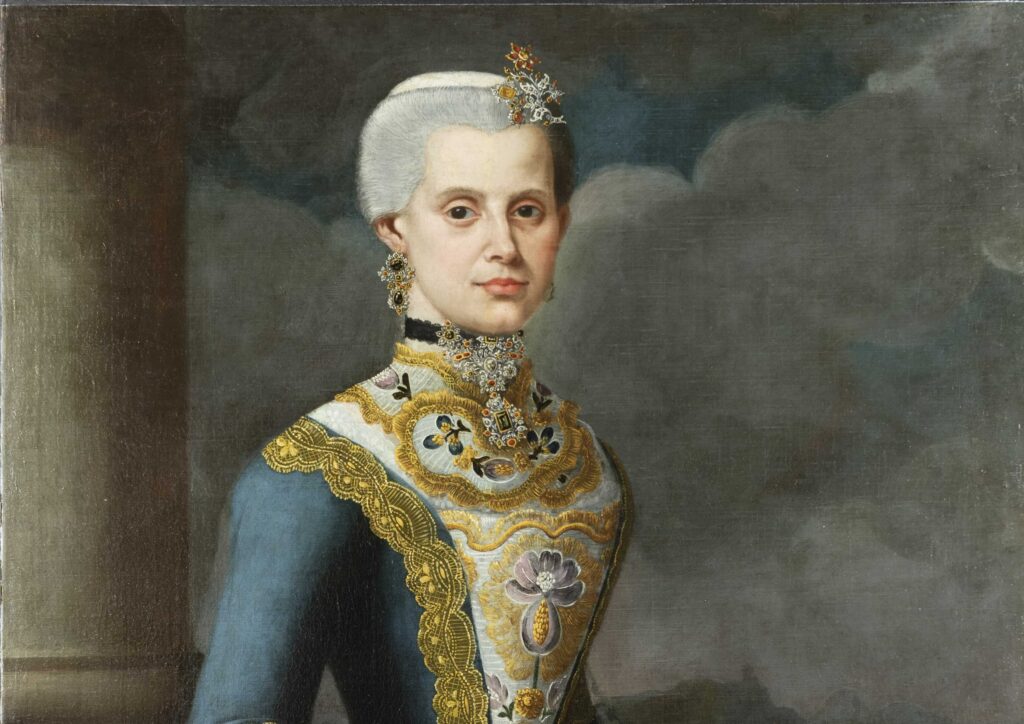
This exhibition reconceives portraiture as something shaped over time and perpetually in motion. The artworks consider how our sense of self is created and inherited, deliberately performed and often rejected.

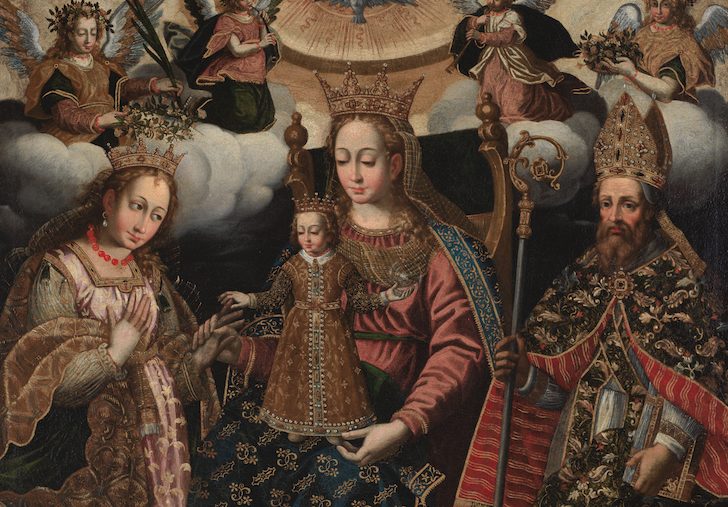
This exhibition presents sixteen works from the collection of Carl & Marilynn Thoma. Together they display a panorama of artistic creativity from present-day Ecuador, Peru, Colombia, Venezuela, Bolivia, and Cuba dating from 1600 to the late eighteenth century. The selection includes oil paintings on canvas and delicately rendered small works in oil on copper.
ESCRITURA
“Regional Art and New Interpretations in Viceregal Peru.” Latin American and Latinx Visual Culture, vol. 3, no. 4 (October 2021): 1–10.
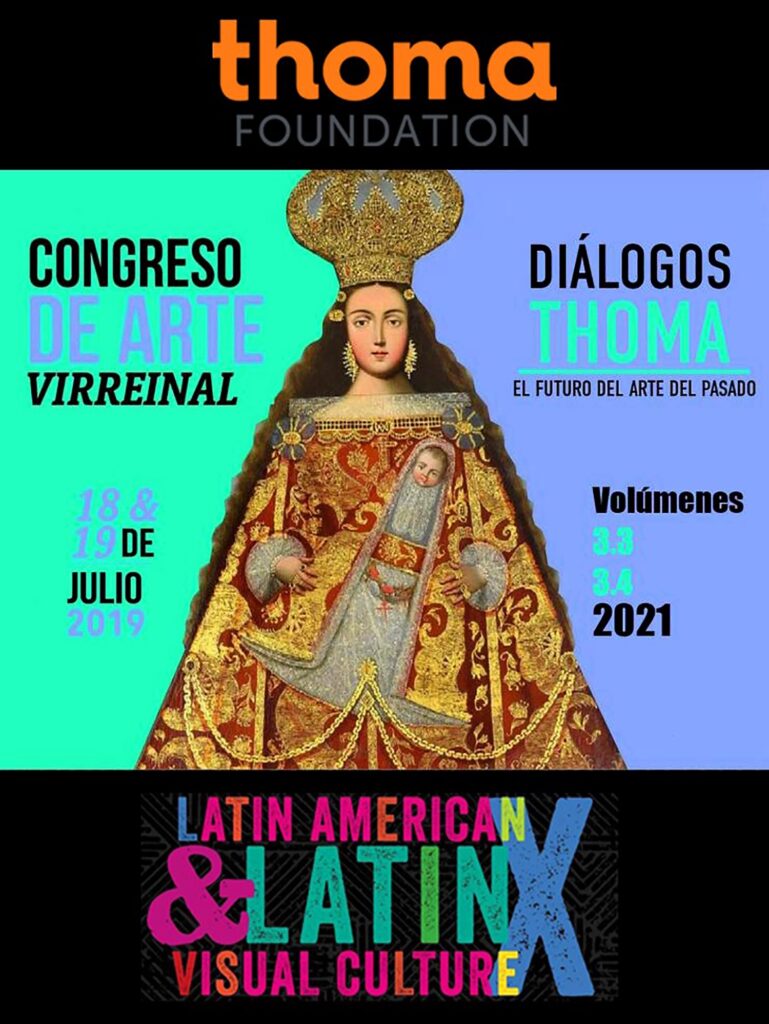
This collection of essays in the Diálogos Thoma issue, Latin American and Latinx Visual Culture 3.4, continue to share the research that has generated from the Congreso de Arte Virreinal “El futuro del arte del pasado,” an international symposium held in Lima, Peru in July 2019.
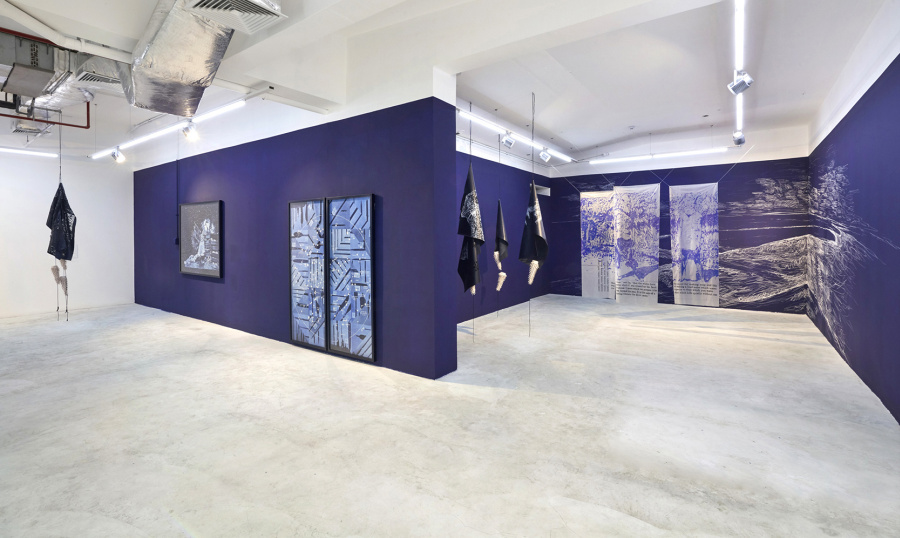
En Vacío tropical, Nicole Franchy (Perú, 1977) busca crear una poética de la materialidad mediante instalaciones hechas sobre paneles de cuero de los que cuelgan delicadas piñas moldeadas en cerámica, o a través de retazos de papel que, tras ser cortados a láser, son colocados sobre páginas de enciclopedias de gran divulgación.